Psycho-Kin Development
Initial development
Psycho-Kin was originally made for my GAM205 module in my second year at Falmouth university. The assignment was to make a small prototype for a game while following some self-imposed constraints, or design pillars. For my project, I decided on these four design pillars:
- As long as we have each other, we will never run out of problems.
- Look before you leap.
- Top-Down shooter.
- Responsive game with great feedback.
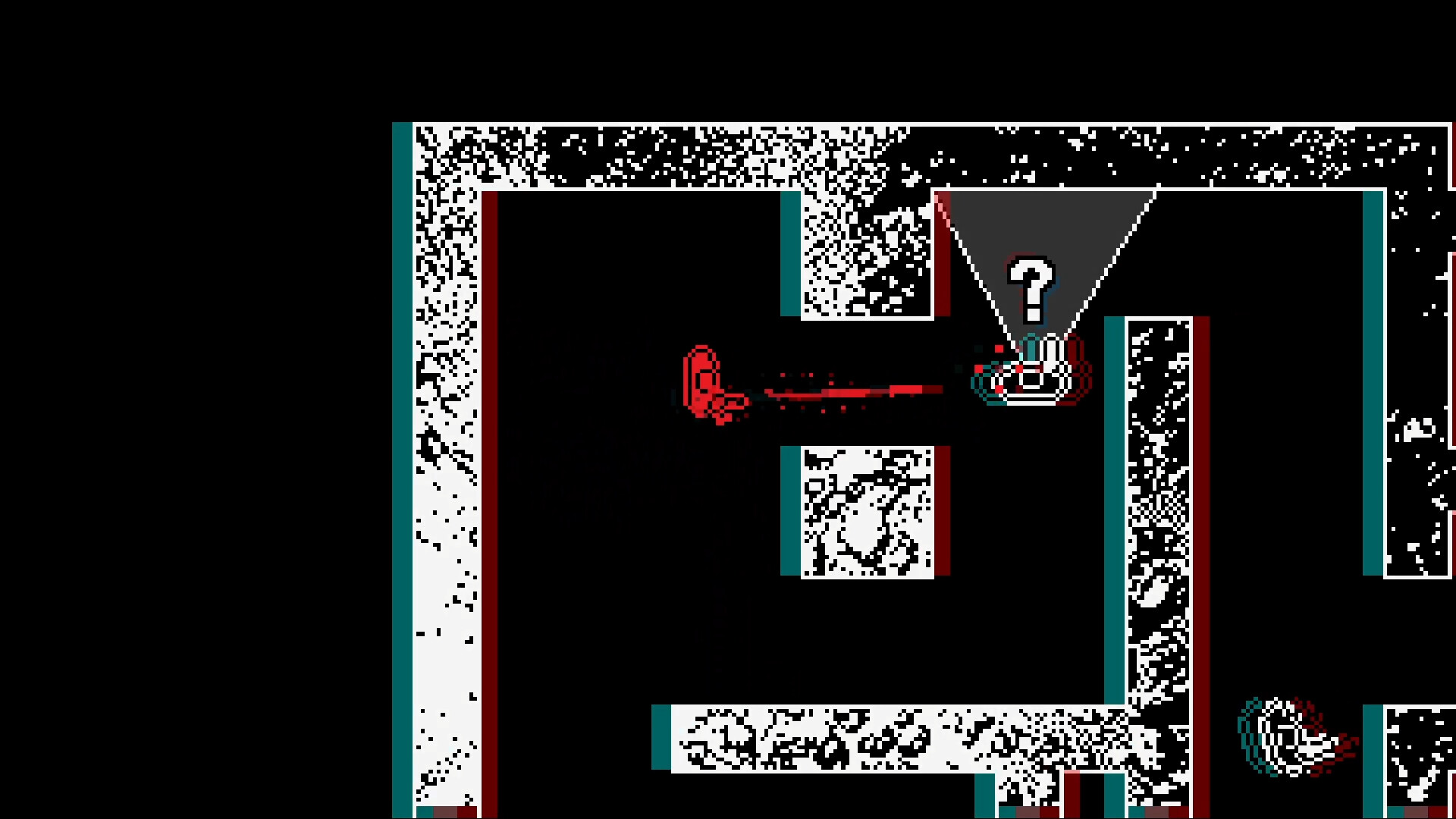
With these pillars, I designed a game around them. A top-down shooter where you control two characters – switching between them with every kill you get. Certain enemies will be linked to certain elements on the map such as doors, making the player plan out their moves carefully. I decided I wanted to try and stylize this game properly, while still sticking with my signature mono theme.

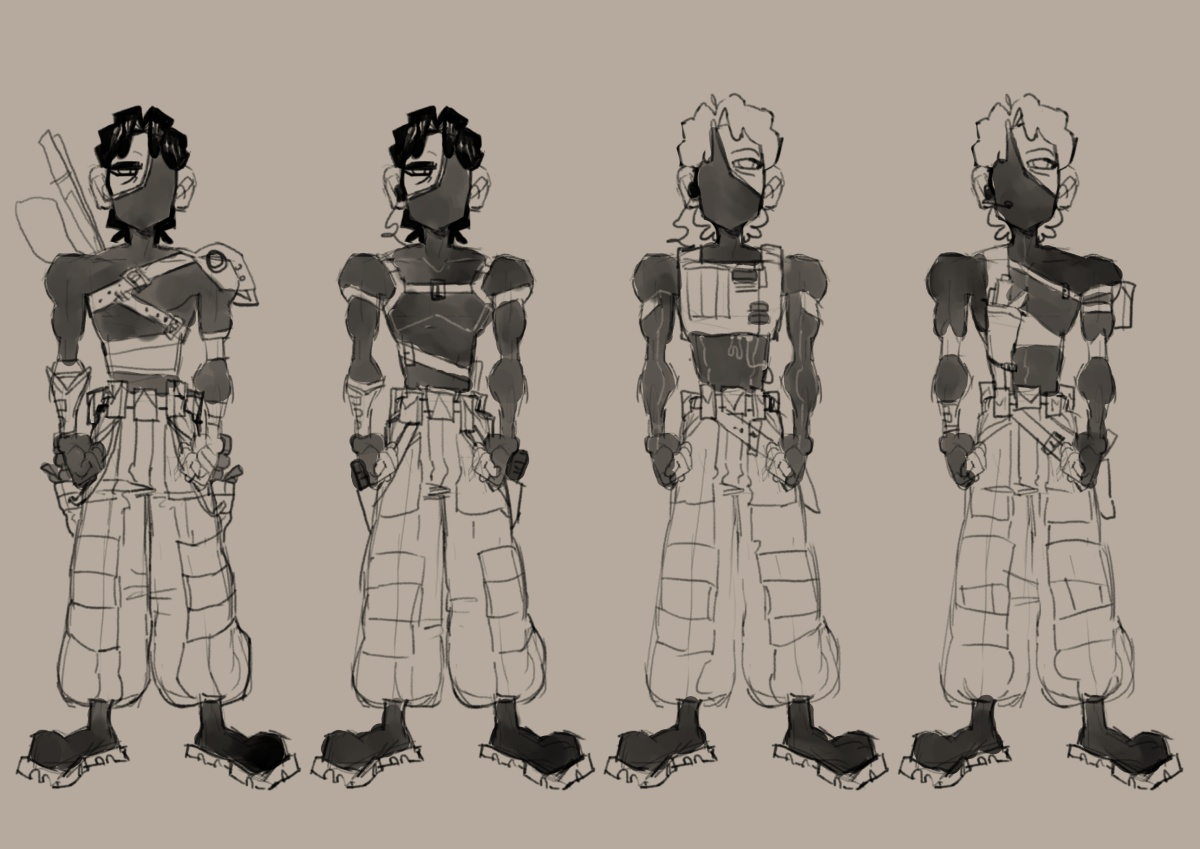
Early design sheet – back when the project was called SpectraStrike
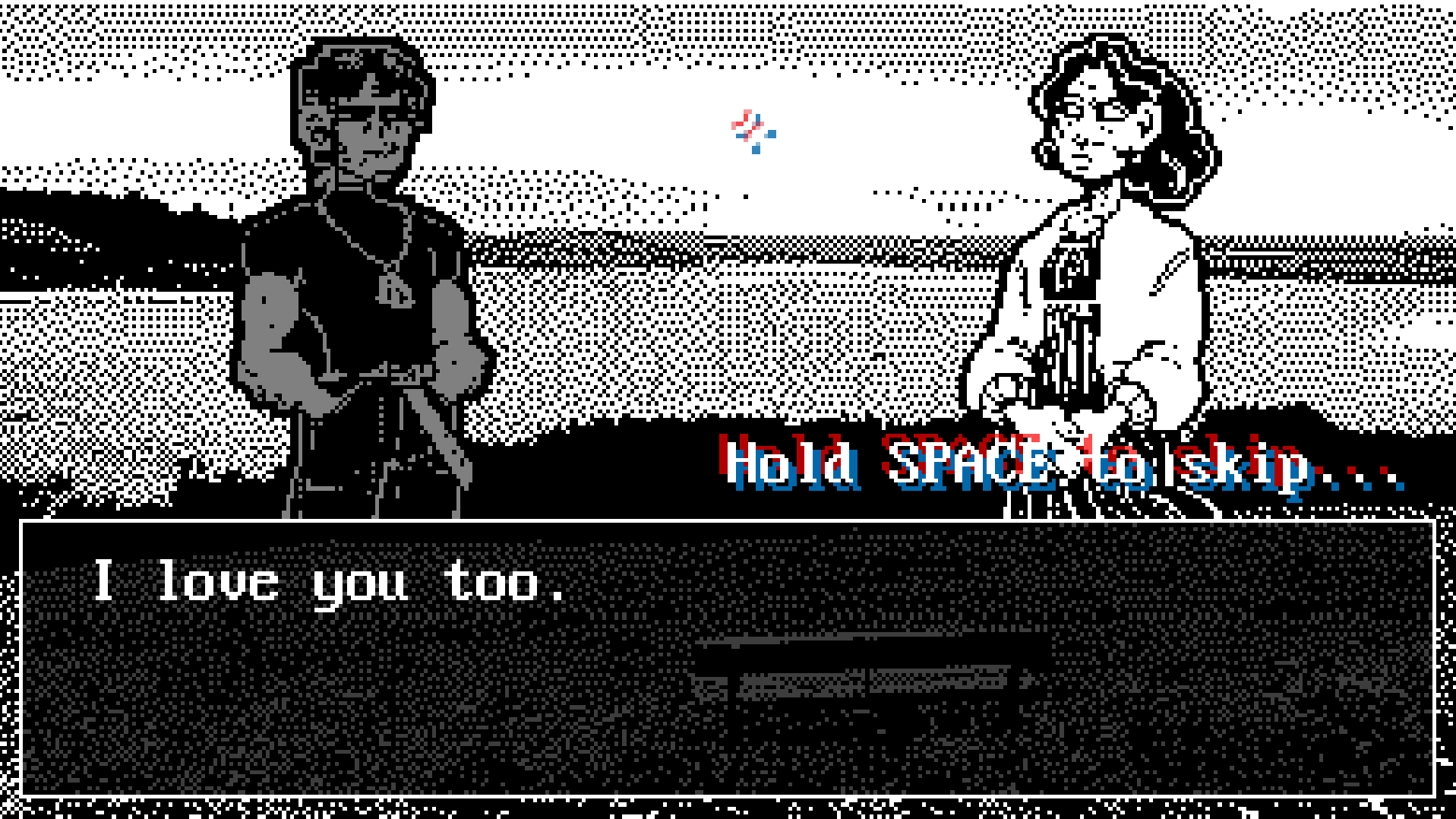
I chose to make the game around a theme of anaglyph images, which are images with a red and blue placed on them so that upon viewing then with 3D glasses, give the appearance of a 3D image. This fits with the theme of a player being split into two. This will be blended with a black and white pixel art style, giving the game a retro feel. I combined this with 8-bit sound effects to emphasize this style more.
After planning out several stages with the games mechanics in mind, I got to work in GameMaker. I focused on creating powerful player feedback, trying to ensure that common actions, like shooting, would feel good. I used a variety of different techniques for this, including screenshake, making the screen slightly brighter when clicked, pausing the player’s movement for a frame after shooting and various particle effects. I then created and iterated upon 5 stages for this demo, as well as creating a highly polished menu and level select screen.
Post Submission
After this was complete, the project was submitted. The project ended up receiving the grade of a 1st, something I am proud of. It was later suggested to me that I should submit the game for the “Search for a star” 2024 game dev challenge, a competition where university students could submit a project.
I ended up being a finalist in the competition, a result that surprised me, but ended up giving me the faith to start Psycho-kin as a long-term serious project.
I began by addressing criticisms of the demo, redoing some levels and the tutorial, making it clearer. Before continuing with development, I wanted to up the graphics of the game. I did this by programming a surfaces shader that makes the walls have a background sprite as the player moves around.

With the visual identity of the game stronger than ever, I began creating new enemies and levels. After I had made 10 polished stages, I thought more about what I wanted psycho-kin to be about.
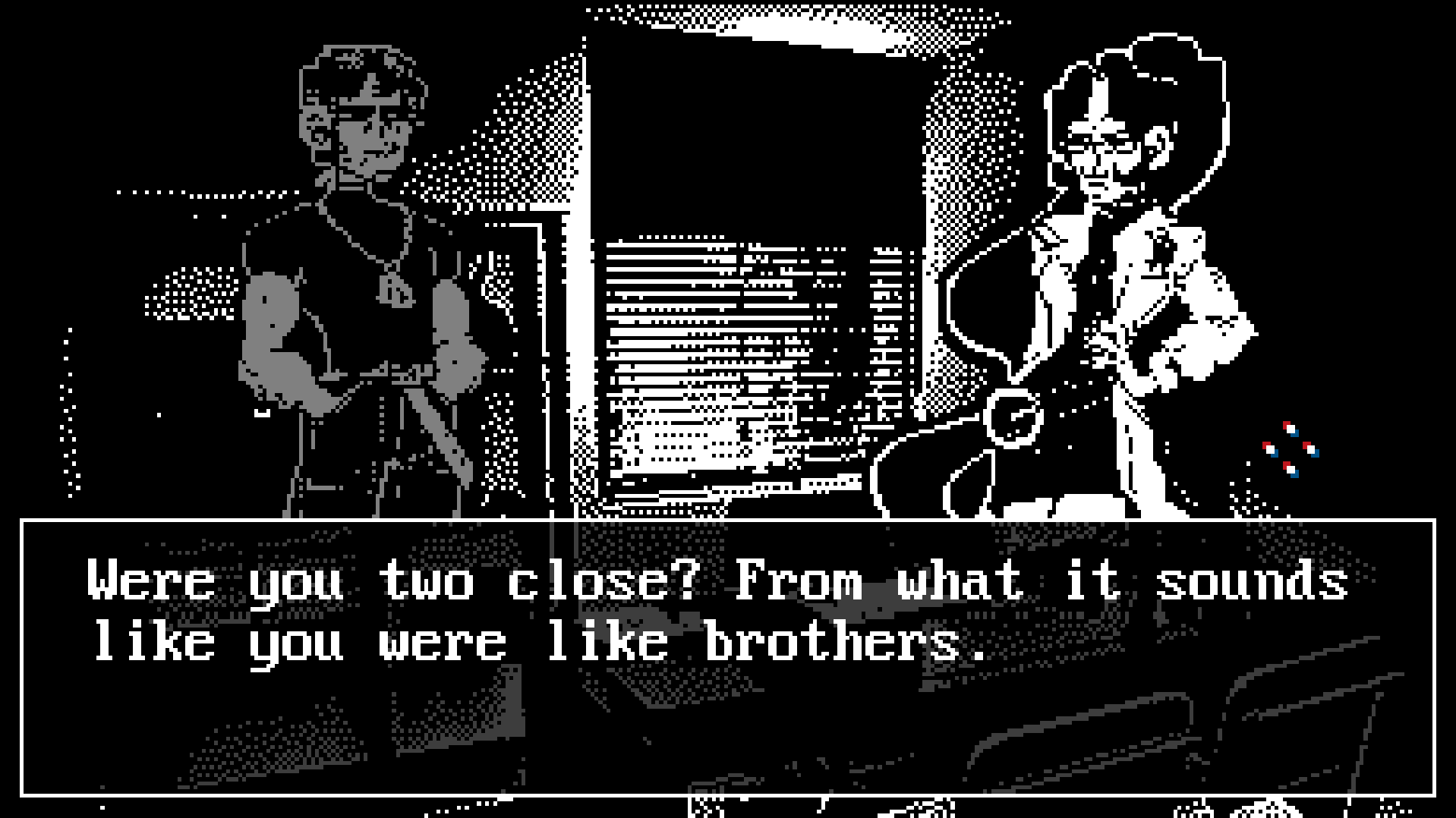
I love storytelling in games, and wanted to use psycho-kin to tell an interesting story that could help the game stand out. I started by designing a boss character for the 10th stage, and the story of the game started filling in around him. I had a vague idea of the story I wanted to tell since the demo, as there are a few (albeit abstract) cutscenes in those old builds.
I ended up writing the story of the game about a cold-war era conflict, in a world where the nuclear bomb was never invented, leading to both sides trying to sabotage each other using psychic solders and espionage before that side could finally invent the nuclear bomb.

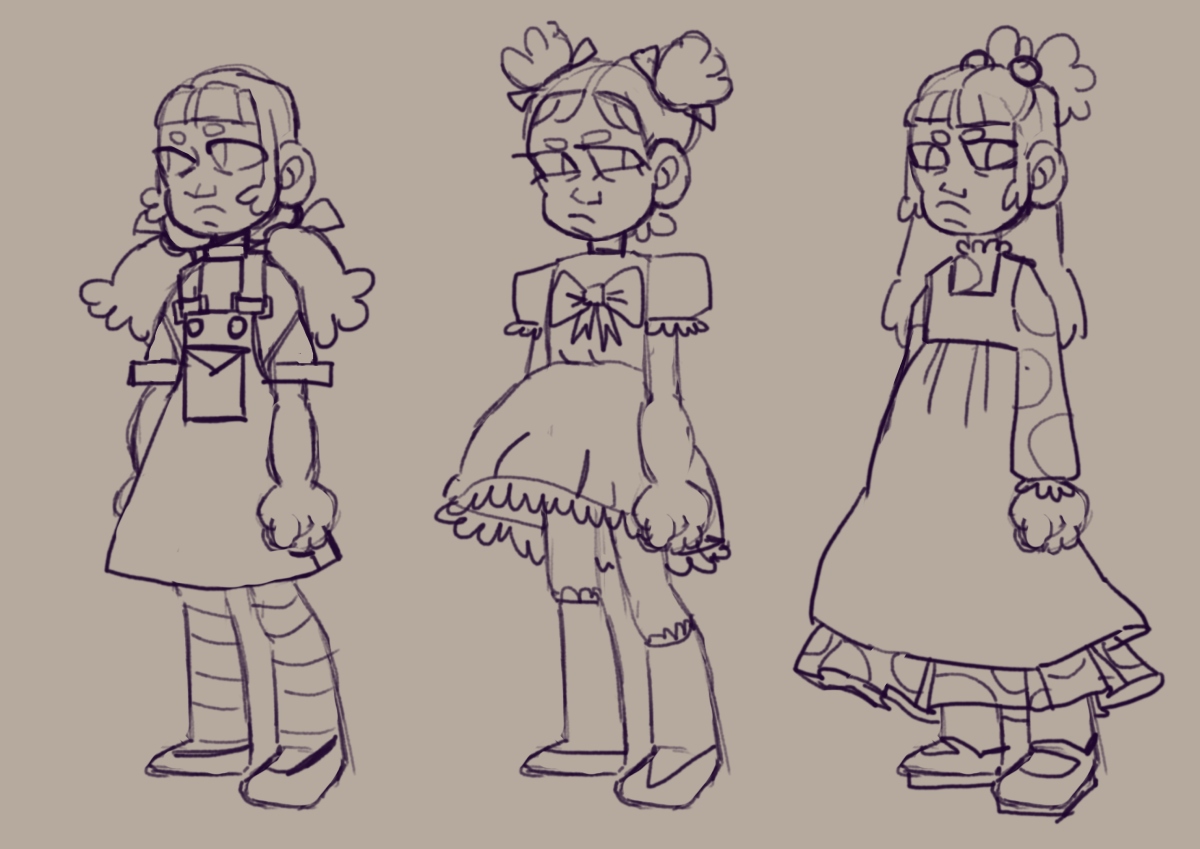
After implementing the boss fight, I began designing a lot a different characters for the game, who can be seen below.
Current state of the project
Psycho-Kin released on December 4th, 2025. It’s the largest and most ambitious project I’ve ever made, with a full set of hand-built levels, a complete narrative, and all the systems I’d been refining over the course of development.
The game began as a long-term solo project, growing steadily as I designed, scripted, tested, and polished it over several years. Seeing it finally come together has been one of the most rewarding parts of my work so far.
You can find the release version on Steam, and the page will continue to receive updates as I support the game post-launch.
Gameplay screenshots





Character Designs – Final Concepts


Character Designs – Early Concepts